
Preparing a quiet space
Wednesday, August 5
Preparing a quiet space
Open the right recovery resource from one place: official links, licensed metadata, saved progress, speaker recommendations, and Companion-matched next steps.
Popular
Search History
Programs
Programs
Media
Stage
Time
Difficulty
Complete Guidance once and InspirAAtions will tune recommendations across the platform.
Discovery Controls
Saved Searches
Recent Searches
Search Suggestions

Today's Reading
The RIE default daily reading object for My Recovery Today when practice context asks for short morning guidance.
Continue
Continue Reading
A Patient Beginning
Picked up from My Recovery Today.
Continue Listening
Hope at Dawn Speaker Meeting
Returned from the Companion recommendation.
Continue Watching
Dr. Volkow Explains the Basics of Drugs and Addiction
Paused in the practice section.
Recently Viewed
SMART Recovery ABC Worksheet
Opened from journal intelligence.
Recovery Reading Center
The RIE default daily reading object for My Recovery Today when practice context asks for short morning guidance.
Reader Notes
Keep the next right action small enough to do today.
Companion insight attached to Multi-program and daily practice.
Mobile Reading
Large type
Reader text scales by setting, not viewport.
Bookmarks
Saved passages stay attached to the resource.
Highlights
Notes and highlights are prepared for sync.
History
Recently opened items remain one tap away.
Core Recovery Literature
Copyrighted content stays official-link-only unless licensing permits hosting.
AA
An official-link-only reference record for core AA concepts, sponsorship, meetings, and step work.
AA
Official-source routing is available while local content remains license-safe.
AA
Official-source routing is available while local content remains license-safe.
AA
Practical recovery habits for ordinary days, represented as metadata and official-link context.
AA
Official-source routing is available while local content remains license-safe.
NA
Official-source routing is available while local content remains license-safe.
NA
A metadata-only daily reading record prepared for NA program-aware recommendation.
NA
Official-source routing is available while local content remains license-safe.
Recovery Dharma
A metadata object for meditation practice, inquiry, and peer-supported recovery.
SMART Recovery
A SMART Recovery podcast library featuring addiction, science-based treatment, recovery tools, and self-management conversations.
Celebrate Recovery
A fear-focused record for naming anxiety without turning it into the whole day.
AA
Official-source routing is available while local content remains license-safe.
Multi-program
Official-source routing is available while local content remains license-safe.
Al-Anon
A SAMHSA family-focused video about how family members can support loved ones during treatment and early recovery.
RIE
Recovery Intelligence matched these resources from today's profile, practice, and knowledge context.

NIDA Director Dr. Nora Volkow answers basic questions about drugs, addiction, and why addiction belongs in a health frame.

A short animation explaining why stopping drug use can be hard, especially when cues, reward, and stress circuits are involved.

A NIDA explainer on FDA-approved medications for opioid overdose, withdrawal, cravings, and opioid use disorder treatment.
NIDA's research topic page for kratom, including reported uses, dependence questions, withdrawal, and the status of emerging evidence.
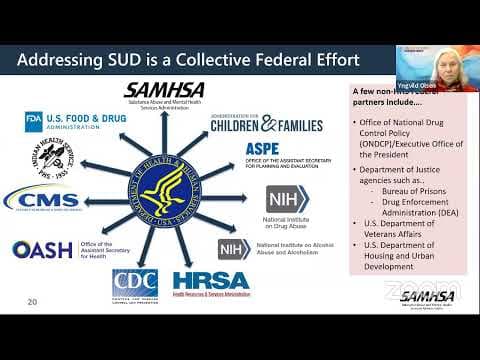
A government education session that frames substance use disorder as treatable and places prevention, treatment, and recovery support in one continuum.
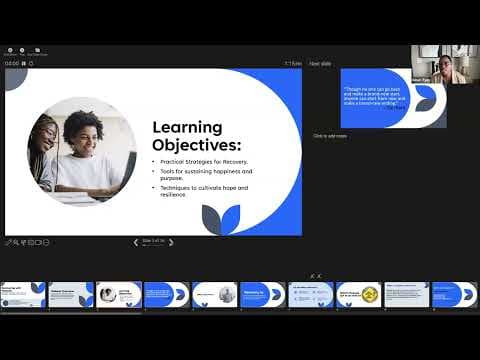
A Recovery Month session focused on purposeful recovery, personal agency, and community connection.

NIDA scientists answer a basic addiction question in a concise format suitable for youth, families, and first-time learners.

A concise NIDA explainer on harm reduction as a public health strategy for reducing risk and keeping people connected to care.

A SAMHSA family-focused video about how family members can support loved ones during treatment and early recovery.

SAMHSA's parent and caregiver podcast for prevention wisdom, authenticity, empowerment, and family conversations.

A SAMHSA session on creative expression, recovery identity, storytelling, and public hope.
Start here
Beginner-friendly resources for first routines, meetings, and support.

An official-link-only reference record for core AA concepts, sponsorship, meetings, and step work.

Practical recovery habits for ordinary days, represented as metadata and official-link context.
A metadata-only daily reading record prepared for NA program-aware recommendation.
First-month metadata for meeting rhythm, sponsor contact, basic routines, and simple accountability.
First-month metadata for meeting rhythm, sponsor contact, basic routines, and simple accountability.
A calm metadata entry for first routines, first meetings, and one reachable recovery action.

A Step One-oriented record for honesty, surrender, and asking for help early.

Meeting-format metadata for choosing beginners, speaker, step, literature, meditation, online, or hybrid rooms.

Organization metadata for program discovery, partner trust, and official-source routing.
A calm metadata entry for first routines, first meetings, and one reachable recovery action.
A Step One-oriented record for honesty, surrender, and asking for help early.
Meeting-format metadata for choosing beginners, speaker, step, literature, meditation, online, or hybrid rooms.
Featured Collections
Each collection is intentionally assembled from Knowledge Objects, not folders.
AA
AA foundational metadata for step work and sponsor conversations.
An official-link-only reference record for core AA concepts, sponsorship, meetings, and step work.
Sponsor-oriented metadata for outreach, preparation, review, and accountable next action.
Sponsor-oriented metadata for outreach, preparation, review, and accountable next action.
A Step One-oriented record for honesty, surrender, and asking for help early.
A Step One-oriented record for honesty, surrender, and asking for help early.
A fear-focused record for naming anxiety without turning it into the whole day.

Journal metadata for inventory, gratitude, review, prayer, and private continuity.
Sponsor-oriented metadata for outreach, preparation, review, and accountable next action.

Sponsor-oriented metadata for outreach, preparation, review, and accountable next action.

A structured worksheet metadata object for inventory, resentment, and repair planning.
Meeting-aware metadata for connection, speaker stories, and interrupting isolation.
Meditation metadata for breath, inquiry, prayer, and self-regulation.
Recovery Dharma
Recovery Dharma Meditation Guide
A metadata object for meditation practice, inquiry, and peer-supported recovery.
SAMHSA Recovery Guide: Meditation When Restless
Meditation metadata for breath, inquiry, prayer, and self-regulation.
Government Recovery Publication: Meditation When Restless
Meditation metadata for breath, inquiry, prayer, and self-regulation.
Clinical Guideline Metadata: Meditation When Restless
Meditation metadata for breath, inquiry, prayer, and self-regulation.
AA Big Book Study: Meditation When Restless
Meditation metadata for breath, inquiry, prayer, and self-regulation.
Recovery Neuroscience Brief: Meditation When Restless
Meditation metadata for breath, inquiry, prayer, and self-regulation.
SMART Recovery
SMART Recovery Podcast
A SMART Recovery podcast library featuring addiction, science-based treatment, recovery tools, and self-management conversations.
SMART Recovery ABC Worksheet
A worksheet-oriented Knowledge Object for naming activating events, beliefs, and consequences.
SAMHSA Recovery Guide: Fear Named Gently
A fear-focused record for naming anxiety without turning it into the whole day.
Government Recovery Publication: Fear Named Gently
A fear-focused record for naming anxiety without turning it into the whole day.
Clinical Guideline Metadata: Fear Named Gently
A fear-focused record for naming anxiety without turning it into the whole day.
AA Big Book Study: Fear Named Gently
A fear-focused record for naming anxiety without turning it into the whole day.
YouTube Knowledge
Thumbnails, duration, speakers, programs, topics, stages, and source routing are searchable with the rest of the Library.
Duration
3:53
Speaker
Dr. Nora Volkow
Program
Research
Stage
Any
Step
Open
Transcript
Metadata ready
Speaker Archive
The Companion can recommend talks from the same Knowledge Platform metadata used by Library search.
Companion Speaker Pick
A speaker meeting metadata object about returning to meetings and asking for help early.
Hope at Dawn Speaker Meeting
Anonymous Speaker
Speaker Recording: A Meeting Before Isolation
Anonymous Speaker D
Speaker Recording: Fear Named Gently
Anonymous Speaker E
Speaker Recording: Family Boundaries
Anonymous Speaker J
Speaker Recording: Sixty Days with Support
Anonymous Speaker N
Speaker Recording: Ninety Days of Practice
Anonymous Speaker O
Audio
Podcast recommendations, sponsor conversations, and guided recovery listening.
SAMHSA's parent and caregiver podcast for prevention wisdom, authenticity, empowerment, and family conversations.
A SAMHSA podcast episode for parents and caregivers navigating recovery, prevention, and family communication.
A SMART Recovery podcast library featuring addiction, science-based treatment, recovery tools, and self-management conversations.
A podcast series about recovery paths, recovery leaders, and dismantling stigma through public stories.
A clinical podcast episode on kratom, 7-hydroxymitragynine, pharmacology, withdrawal, addiction potential, and treatment concerns.

A long-form podcast interview with Dr. Kirsten Smith discussing kratom research, dependence, policy, and emerging evidence.
A podcast metadata record about making sponsor contact specific and manageable.
Journal metadata for inventory, gratitude, review, prayer, and private continuity.
Meeting-aware metadata for connection, speaker stories, and interrupting isolation.
A fear-focused record for naming anxiety without turning it into the whole day.
Family recovery metadata for boundaries, repair, expectations, and support.
Second-month metadata for repeating support, noticing patterns, and keeping actions reachable.
Research
Kratom Research Topic
NIDA's research topic page for kratom, including reported uses, dependence questions, withdrawal, and the status of emerging evidence.
Kratom
NCCIH's kratom overview covers reported use, current research limits, safety concerns, addiction potential, withdrawal, and product contamination issues.

NIH Treatment Research Overview
A metadata record for research-backed treatment and recovery education.
NIDA Treatment Principles
Evidence-informed treatment principle metadata for recovery education and clinical grounding.
SAMHSA Recovery Support Overview
A government-source Knowledge Object for recovery support, community, housing, health, and purpose.
SAMHSA Recovery Guide: Starting Over Without Noise
A calm metadata entry for first routines, first meetings, and one reachable recovery action.
Recovery Science
Dr. Volkow Explains the Basics of Drugs and Addiction
NIDA Director Dr. Nora Volkow answers basic questions about drugs, addiction, and why addiction belongs in a health frame.
Medications for Opioid Use Disorder
A NIDA explainer on FDA-approved medications for opioid overdose, withdrawal, cravings, and opioid use disorder treatment.
Kratom Research Topic
NIDA's research topic page for kratom, including reported uses, dependence questions, withdrawal, and the status of emerging evidence.
Substance Use Disorder 101
A government education session that frames substance use disorder as treatable and places prevention, treatment, and recovery support in one continuum.
Recovery on Purpose
A Recovery Month session focused on purposeful recovery, personal agency, and community connection.
What Is Addiction?
NIDA scientists answer a basic addiction question in a concise format suitable for youth, families, and first-time learners.
Read
Short morning and evening readings for ordinary recovery rhythms.
Practical recovery habits for ordinary days, represented as metadata and official-link context.
Companion metadata that makes recommendations explainable, bounded, and tied to real Knowledge Objects.
Companion metadata that makes recommendations explainable, bounded, and tied to real Knowledge Objects.
A metadata-only daily reading record prepared for NA program-aware recommendation.
Recovery grows in quiet repetition: return to the next truthful action.
A short morning practice entry for intention, reading, and a manageable next step.
An evening reflection entry for gratitude, review, and a quieter close to the day.
A short morning practice entry for intention, reading, and a manageable next step.
An evening reflection entry for gratitude, review, and a quieter close to the day.
Companion metadata that makes recommendations explainable, bounded, and tied to real Knowledge Objects.
A short morning practice entry for intention, reading, and a manageable next step.
Companion metadata that makes recommendations explainable, bounded, and tied to real Knowledge Objects.
Practice
Worksheets for journal, inventory, and coping work, with license-safe access routing.
A worksheet-oriented Knowledge Object for naming activating events, beliefs, and consequences.
A structured worksheet metadata object for inventory, resentment, and repair planning.
A fear-focused record for naming anxiety without turning it into the whole day.
Family recovery metadata for boundaries, repair, expectations, and support.
Second-month metadata for repeating support, noticing patterns, and keeping actions reachable.
Journal metadata for inventory, gratitude, review, prayer, and private continuity.
Companion metadata that makes recommendations explainable, bounded, and tied to real Knowledge Objects.
A fear-focused record for naming anxiety without turning it into the whole day.
Family recovery metadata for boundaries, repair, expectations, and support.
Second-month metadata for repeating support, noticing patterns, and keeping actions reachable.
Journal metadata for inventory, gratitude, review, prayer, and private continuity.
Companion metadata that makes recommendations explainable, bounded, and tied to real Knowledge Objects.
Topic Explorer
Topic counts come from Knowledge Object taxonomy and power the Library search below.
High engagement
Sorted by community value and inspirational value for demo-ready discovery.
A speaker meeting metadata object about returning to meetings and asking for help early.
An official-link-only reference record for core AA concepts, sponsorship, meetings, and step work.

Johann Hari argues that social connection and recovery-supportive environments matter in how societies respond to addiction.
A podcast series about recovery paths, recovery leaders, and dismantling stigma through public stories.
Practical recovery habits for ordinary days, represented as metadata and official-link context.
A metadata-only daily reading record prepared for NA program-aware recommendation.
A podcast metadata record about making sponsor contact specific and manageable.
Recovery grows in quiet repetition: return to the next truthful action.
A Recovery Month session focused on purposeful recovery, personal agency, and community connection.
A SAMHSA session on creative expression, recovery identity, storytelling, and public hope.
A metadata object for meditation practice, inquiry, and peer-supported recovery.
A SAMHSA family-focused video about how family members can support loved ones during treatment and early recovery.
Editorial
Featured Knowledge Objects with strong editorial score and recovery relevance.
NIDA Director Dr. Nora Volkow answers basic questions about drugs, addiction, and why addiction belongs in a health frame.
A short animation explaining why stopping drug use can be hard, especially when cues, reward, and stress circuits are involved.
A NIDA explainer on FDA-approved medications for opioid overdose, withdrawal, cravings, and opioid use disorder treatment.
NIDA's research topic page for kratom, including reported uses, dependence questions, withdrawal, and the status of emerging evidence.
A government education session that frames substance use disorder as treatable and places prevention, treatment, and recovery support in one continuum.
A Recovery Month session focused on purposeful recovery, personal agency, and community connection.
NIDA scientists answer a basic addiction question in a concise format suitable for youth, families, and first-time learners.
A concise NIDA explainer on harm reduction as a public health strategy for reducing risk and keeping people connected to care.
A SAMHSA family-focused video about how family members can support loved ones during treatment and early recovery.
SAMHSA's parent and caregiver podcast for prevention wisdom, authenticity, empowerment, and family conversations.
A SAMHSA session on creative expression, recovery identity, storytelling, and public hope.
Fresh catalog
New metadata records from the production-ready seed catalog.
First-month metadata for meeting rhythm, sponsor contact, basic routines, and simple accountability.
A calm metadata entry for first routines, first meetings, and one reachable recovery action.
Sponsor-oriented metadata for outreach, preparation, review, and accountable next action.
A support-oriented record for making outreach specific, brief, and useful.
Second-month metadata for repeating support, noticing patterns, and keeping actions reachable.
Service-oriented metadata for helping without performance or overextension.
Step Four metadata for resentments, expectations, repair, and sponsor review.
Planning metadata for warning signs, support contacts, meeting choices, and return-to-care steps.
Evidence-oriented metadata that grounds recovery support without replacing clinical advice.
Practice metadata for small daily actions that connect reading, meetings, journaling, and support.
Organization metadata for program discovery, partner trust, and official-source routing.
One-year metadata for continuity, gratitude, service, and the next right-sized commitment.
Deeper Search
Search title, author, speaker, program, collection, stage, step, topic, keyword, type, score, and provider.
Content Type
Program
Collection
Topic
Recovery Stage
Step
Speaker
Author
Organization
Duration
Difficulty
Evidence Level
Source Provider
Sort
Showing 959 of 959 resources
NIDA Director Dr. Nora Volkow answers basic questions about drugs, addiction, and why addiction belongs in a health frame.
A short animation explaining why stopping drug use can be hard, especially when cues, reward, and stress circuits are involved.
A NIDA explainer on FDA-approved medications for opioid overdose, withdrawal, cravings, and opioid use disorder treatment.
NIDA's research topic page for kratom, including reported uses, dependence questions, withdrawal, and the status of emerging evidence.
A government education session that frames substance use disorder as treatable and places prevention, treatment, and recovery support in one continuum.
A Recovery Month session focused on purposeful recovery, personal agency, and community connection.
NIDA scientists answer a basic addiction question in a concise format suitable for youth, families, and first-time learners.
A concise NIDA explainer on harm reduction as a public health strategy for reducing risk and keeping people connected to care.
A SAMHSA family-focused video about how family members can support loved ones during treatment and early recovery.
SAMHSA's parent and caregiver podcast for prevention wisdom, authenticity, empowerment, and family conversations.
A SAMHSA session on creative expression, recovery identity, storytelling, and public hope.
A SAMHSA podcast episode for parents and caregivers navigating recovery, prevention, and family communication.

A SAMHSA Office of Recovery session on improving access across prevention, treatment, and recovery support.
Johann Hari argues that social connection and recovery-supportive environments matter in how societies respond to addiction.
A SMART Recovery podcast library featuring addiction, science-based treatment, recovery tools, and self-management conversations.
A podcast series about recovery paths, recovery leaders, and dismantling stigma through public stories.
A clinical article explaining kratom, opioid-like concerns, dependence risk, and why clinicians and families are paying attention.

Judson Brewer explains how curiosity and mindfulness can interrupt habit loops, including addictive behaviors.
A clinical podcast episode on kratom, 7-hydroxymitragynine, pharmacology, withdrawal, addiction potential, and treatment concerns.
An official-link-only reference record for core AA concepts, sponsorship, meetings, and step work.
A government-source Knowledge Object for recovery support, community, housing, health, and purpose.
A metadata object for meditation practice, inquiry, and peer-supported recovery.
Practical recovery habits for ordinary days, represented as metadata and official-link context.
A long-form podcast interview with Dr. Kirsten Smith discussing kratom research, dependence, policy, and emerging evidence.
A worksheet-oriented Knowledge Object for naming activating events, beliefs, and consequences.
A fear-focused record for naming anxiety without turning it into the whole day.
Family recovery metadata for boundaries, repair, expectations, and support.
Second-month metadata for repeating support, noticing patterns, and keeping actions reachable.
Journal metadata for inventory, gratitude, review, prayer, and private continuity.
Companion metadata that makes recommendations explainable, bounded, and tied to real Knowledge Objects.
A fear-focused record for naming anxiety without turning it into the whole day.
Family recovery metadata for boundaries, repair, expectations, and support.
Second-month metadata for repeating support, noticing patterns, and keeping actions reachable.
Journal metadata for inventory, gratitude, review, prayer, and private continuity.
Companion metadata that makes recommendations explainable, bounded, and tied to real Knowledge Objects.
A metadata-only daily reading record prepared for NA program-aware recommendation.
Recovery grows in quiet repetition: return to the next truthful action.
A short morning practice entry for intention, reading, and a manageable next step.
Meeting-aware metadata for connection, speaker stories, and interrupting isolation.
A support-oriented record for making outreach specific, brief, and useful.
An evening reflection entry for gratitude, review, and a quieter close to the day.
Meditation metadata for breath, inquiry, prayer, and self-regulation.
Evidence-oriented metadata that grounds recovery support without replacing clinical advice.
First-month metadata for meeting rhythm, sponsor contact, basic routines, and simple accountability.
Ninety-day metadata for meeting continuity, sponsor review, daily practice, and private celebration.
Neuroscience metadata for craving, cue learning, stress, and practical self-regulation.
Sponsor-oriented metadata for outreach, preparation, review, and accountable next action.
Practice metadata for small daily actions that connect reading, meetings, journaling, and support.
Event metadata for workshops, service commitments, anniversaries, education, and recovery community gatherings.
Artwork metadata for calm rooms, daily rituals, quiet gifts, and visual anchors for recovery.
Public-health metadata for safer planning, crisis boundaries, care options, and support before urgency.
A short morning practice entry for intention, reading, and a manageable next step.
Meeting-aware metadata for connection, speaker stories, and interrupting isolation.
A support-oriented record for making outreach specific, brief, and useful.
An evening reflection entry for gratitude, review, and a quieter close to the day.
Meditation metadata for breath, inquiry, prayer, and self-regulation.
Evidence-oriented metadata that grounds recovery support without replacing clinical advice.
First-month metadata for meeting rhythm, sponsor contact, basic routines, and simple accountability.
Ninety-day metadata for meeting continuity, sponsor review, daily practice, and private celebration.
Neuroscience metadata for craving, cue learning, stress, and practical self-regulation.
Sponsor-oriented metadata for outreach, preparation, review, and accountable next action.
Practice metadata for small daily actions that connect reading, meetings, journaling, and support.
Event metadata for workshops, service commitments, anniversaries, education, and recovery community gatherings.
Artwork metadata for calm rooms, daily rituals, quiet gifts, and visual anchors for recovery.
Public-health metadata for safer planning, crisis boundaries, care options, and support before urgency.
A speaker meeting metadata object about returning to meetings and asking for help early.
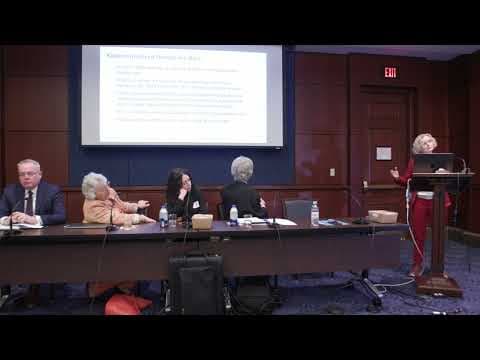
A long-form public briefing on kratom science, policy questions, and research perspectives with NIDA-linked expertise referenced in the panel context.
A calm metadata entry for first routines, first meetings, and one reachable recovery action.
A Step One-oriented record for honesty, surrender, and asking for help early.
Step Four metadata for resentments, expectations, repair, and sponsor review.
Service-oriented metadata for helping without performance or overextension.
One-year metadata for continuity, gratitude, service, and the next right-sized commitment.
Planning metadata for warning signs, support contacts, meeting choices, and return-to-care steps.
Meeting-format metadata for choosing beginners, speaker, step, literature, meditation, online, or hybrid rooms.
Organization metadata for program discovery, partner trust, and official-source routing.
Clinical guideline metadata for education, partner trust, scope boundaries, and official-source review.
A fear-focused record for naming anxiety without turning it into the whole day.
Family recovery metadata for boundaries, repair, expectations, and support.
Second-month metadata for repeating support, noticing patterns, and keeping actions reachable.
Journal metadata for inventory, gratitude, review, prayer, and private continuity.
Companion metadata that makes recommendations explainable, bounded, and tied to real Knowledge Objects.
A calm metadata entry for first routines, first meetings, and one reachable recovery action.
A Step One-oriented record for honesty, surrender, and asking for help early.
Step Four metadata for resentments, expectations, repair, and sponsor review.
Service-oriented metadata for helping without performance or overextension.
One-year metadata for continuity, gratitude, service, and the next right-sized commitment.
Planning metadata for warning signs, support contacts, meeting choices, and return-to-care steps.
Meeting-format metadata for choosing beginners, speaker, step, literature, meditation, online, or hybrid rooms.
Organization metadata for program discovery, partner trust, and official-source routing.
Clinical guideline metadata for education, partner trust, scope boundaries, and official-source review.
A fear-focused record for naming anxiety without turning it into the whole day.
Journal metadata for inventory, gratitude, review, prayer, and private continuity.
A short morning practice entry for intention, reading, and a manageable next step.
Meeting-aware metadata for connection, speaker stories, and interrupting isolation.
A support-oriented record for making outreach specific, brief, and useful.
Meditation metadata for breath, inquiry, prayer, and self-regulation.
First-month metadata for meeting rhythm, sponsor contact, basic routines, and simple accountability.
Ninety-day metadata for meeting continuity, sponsor review, daily practice, and private celebration.
Neuroscience metadata for craving, cue learning, stress, and practical self-regulation.
Sponsor-oriented metadata for outreach, preparation, review, and accountable next action.
Practice metadata for small daily actions that connect reading, meetings, journaling, and support.
Event metadata for workshops, service commitments, anniversaries, education, and recovery community gatherings.
Artwork metadata for calm rooms, daily rituals, quiet gifts, and visual anchors for recovery.
Public-health metadata for safer planning, crisis boundaries, care options, and support before urgency.
A fear-focused record for naming anxiety without turning it into the whole day.
Family recovery metadata for boundaries, repair, expectations, and support.
Second-month metadata for repeating support, noticing patterns, and keeping actions reachable.
Ninety-day metadata for meeting continuity, sponsor review, daily practice, and private celebration.
Sponsor-oriented metadata for outreach, preparation, review, and accountable next action.
Journal metadata for inventory, gratitude, review, prayer, and private continuity.
Companion metadata that makes recommendations explainable, bounded, and tied to real Knowledge Objects.
A structured worksheet metadata object for inventory, resentment, and repair planning.
Meeting-aware metadata for connection, speaker stories, and interrupting isolation.
Meditation metadata for breath, inquiry, prayer, and self-regulation.
Family recovery metadata for boundaries, repair, expectations, and support.
Second-month metadata for repeating support, noticing patterns, and keeping actions reachable.
Ninety-day metadata for meeting continuity, sponsor review, daily practice, and private celebration.
Sponsor-oriented metadata for outreach, preparation, review, and accountable next action.
Event metadata for workshops, service commitments, anniversaries, education, and recovery community gatherings.
Companion metadata that makes recommendations explainable, bounded, and tied to real Knowledge Objects.
Public-health metadata for safer planning, crisis boundaries, care options, and support before urgency.
A fear-focused record for naming anxiety without turning it into the whole day.
Family recovery metadata for boundaries, repair, expectations, and support.
Second-month metadata for repeating support, noticing patterns, and keeping actions reachable.
Journal metadata for inventory, gratitude, review, prayer, and private continuity.
Companion metadata that makes recommendations explainable, bounded, and tied to real Knowledge Objects.
A fear-focused record for naming anxiety without turning it into the whole day.
Family recovery metadata for boundaries, repair, expectations, and support.
Second-month metadata for repeating support, noticing patterns, and keeping actions reachable.
Journal metadata for inventory, gratitude, review, prayer, and private continuity.
Companion metadata that makes recommendations explainable, bounded, and tied to real Knowledge Objects.
A fear-focused record for naming anxiety without turning it into the whole day.
Family recovery metadata for boundaries, repair, expectations, and support.
Second-month metadata for repeating support, noticing patterns, and keeping actions reachable.
Journal metadata for inventory, gratitude, review, prayer, and private continuity.
Companion metadata that makes recommendations explainable, bounded, and tied to real Knowledge Objects.
A fear-focused record for naming anxiety without turning it into the whole day.
Family recovery metadata for boundaries, repair, expectations, and support.
Second-month metadata for repeating support, noticing patterns, and keeping actions reachable.
Journal metadata for inventory, gratitude, review, prayer, and private continuity.
Companion metadata that makes recommendations explainable, bounded, and tied to real Knowledge Objects.
A fear-focused record for naming anxiety without turning it into the whole day.
Family recovery metadata for boundaries, repair, expectations, and support.
Second-month metadata for repeating support, noticing patterns, and keeping actions reachable.
Journal metadata for inventory, gratitude, review, prayer, and private continuity.
Companion metadata that makes recommendations explainable, bounded, and tied to real Knowledge Objects.
A calm metadata entry for first routines, first meetings, and one reachable recovery action.
A Step One-oriented record for honesty, surrender, and asking for help early.
Step Four metadata for resentments, expectations, repair, and sponsor review.
An evening reflection entry for gratitude, review, and a quieter close to the day.
Service-oriented metadata for helping without performance or overextension.
Evidence-oriented metadata that grounds recovery support without replacing clinical advice.
One-year metadata for continuity, gratitude, service, and the next right-sized commitment.
Planning metadata for warning signs, support contacts, meeting choices, and return-to-care steps.
Meeting-format metadata for choosing beginners, speaker, step, literature, meditation, online, or hybrid rooms.
Organization metadata for program discovery, partner trust, and official-source routing.
Clinical guideline metadata for education, partner trust, scope boundaries, and official-source review.
A short morning practice entry for intention, reading, and a manageable next step.
Meeting-aware metadata for connection, speaker stories, and interrupting isolation.
A support-oriented record for making outreach specific, brief, and useful.
An evening reflection entry for gratitude, review, and a quieter close to the day.
Meditation metadata for breath, inquiry, prayer, and self-regulation.
Evidence-oriented metadata that grounds recovery support without replacing clinical advice.
First-month metadata for meeting rhythm, sponsor contact, basic routines, and simple accountability.
Neuroscience metadata for craving, cue learning, stress, and practical self-regulation.
Meeting-format metadata for choosing beginners, speaker, step, literature, meditation, online, or hybrid rooms.
Practice metadata for small daily actions that connect reading, meetings, journaling, and support.
Event metadata for workshops, service commitments, anniversaries, education, and recovery community gatherings.
Artwork metadata for calm rooms, daily rituals, quiet gifts, and visual anchors for recovery.
Public-health metadata for safer planning, crisis boundaries, care options, and support before urgency.
A fear-focused record for naming anxiety without turning it into the whole day.
Family recovery metadata for boundaries, repair, expectations, and support.
Second-month metadata for repeating support, noticing patterns, and keeping actions reachable.
Journal metadata for inventory, gratitude, review, prayer, and private continuity.
Companion metadata that makes recommendations explainable, bounded, and tied to real Knowledge Objects.
A fear-focused record for naming anxiety without turning it into the whole day.
Family recovery metadata for boundaries, repair, expectations, and support.
Second-month metadata for repeating support, noticing patterns, and keeping actions reachable.
Journal metadata for inventory, gratitude, review, prayer, and private continuity.
Companion metadata that makes recommendations explainable, bounded, and tied to real Knowledge Objects.
A podcast metadata record about making sponsor contact specific and manageable.
A short morning practice entry for intention, reading, and a manageable next step.
A support-oriented record for making outreach specific, brief, and useful.
An evening reflection entry for gratitude, review, and a quieter close to the day.
Evidence-oriented metadata that grounds recovery support without replacing clinical advice.
First-month metadata for meeting rhythm, sponsor contact, basic routines, and simple accountability.
Planning metadata for warning signs, support contacts, meeting choices, and return-to-care steps.
Neuroscience metadata for craving, cue learning, stress, and practical self-regulation.
Practice metadata for small daily actions that connect reading, meetings, journaling, and support.
Artwork metadata for calm rooms, daily rituals, quiet gifts, and visual anchors for recovery.
Meeting-aware metadata for connection, speaker stories, and interrupting isolation.
Meditation metadata for breath, inquiry, prayer, and self-regulation.
First-month metadata for meeting rhythm, sponsor contact, basic routines, and simple accountability.
Ninety-day metadata for meeting continuity, sponsor review, daily practice, and private celebration.
Neuroscience metadata for craving, cue learning, stress, and practical self-regulation.
Sponsor-oriented metadata for outreach, preparation, review, and accountable next action.
Event metadata for workshops, service commitments, anniversaries, education, and recovery community gatherings.
Public-health metadata for safer planning, crisis boundaries, care options, and support before urgency.
Meeting-aware metadata for connection, speaker stories, and interrupting isolation.
Meditation metadata for breath, inquiry, prayer, and self-regulation.
First-month metadata for meeting rhythm, sponsor contact, basic routines, and simple accountability.
Ninety-day metadata for meeting continuity, sponsor review, daily practice, and private celebration.
Neuroscience metadata for craving, cue learning, stress, and practical self-regulation.
Sponsor-oriented metadata for outreach, preparation, review, and accountable next action.
Event metadata for workshops, service commitments, anniversaries, education, and recovery community gatherings.
Public-health metadata for safer planning, crisis boundaries, care options, and support before urgency.
A fear-focused record for naming anxiety without turning it into the whole day.
Family recovery metadata for boundaries, repair, expectations, and support.
Second-month metadata for repeating support, noticing patterns, and keeping actions reachable.
Journal metadata for inventory, gratitude, review, prayer, and private continuity.
Companion metadata that makes recommendations explainable, bounded, and tied to real Knowledge Objects.
A short morning practice entry for intention, reading, and a manageable next step.
Meeting-aware metadata for connection, speaker stories, and interrupting isolation.
A support-oriented record for making outreach specific, brief, and useful.
An evening reflection entry for gratitude, review, and a quieter close to the day.
Meditation metadata for breath, inquiry, prayer, and self-regulation.
Evidence-oriented metadata that grounds recovery support without replacing clinical advice.
First-month metadata for meeting rhythm, sponsor contact, basic routines, and simple accountability.
Ninety-day metadata for meeting continuity, sponsor review, daily practice, and private celebration.
Neuroscience metadata for craving, cue learning, stress, and practical self-regulation.
Sponsor-oriented metadata for outreach, preparation, review, and accountable next action.
Practice metadata for small daily actions that connect reading, meetings, journaling, and support.
Event metadata for workshops, service commitments, anniversaries, education, and recovery community gatherings.
Artwork metadata for calm rooms, daily rituals, quiet gifts, and visual anchors for recovery.
Public-health metadata for safer planning, crisis boundaries, care options, and support before urgency.
A short morning practice entry for intention, reading, and a manageable next step.
Meeting-aware metadata for connection, speaker stories, and interrupting isolation.
A support-oriented record for making outreach specific, brief, and useful.
An evening reflection entry for gratitude, review, and a quieter close to the day.
Meditation metadata for breath, inquiry, prayer, and self-regulation.
Evidence-oriented metadata that grounds recovery support without replacing clinical advice.
First-month metadata for meeting rhythm, sponsor contact, basic routines, and simple accountability.
Ninety-day metadata for meeting continuity, sponsor review, daily practice, and private celebration.
Neuroscience metadata for craving, cue learning, stress, and practical self-regulation.
Sponsor-oriented metadata for outreach, preparation, review, and accountable next action.
Practice metadata for small daily actions that connect reading, meetings, journaling, and support.
Event metadata for workshops, service commitments, anniversaries, education, and recovery community gatherings.
Artwork metadata for calm rooms, daily rituals, quiet gifts, and visual anchors for recovery.
Public-health metadata for safer planning, crisis boundaries, care options, and support before urgency.
Meeting-aware metadata for connection, speaker stories, and interrupting isolation.
Meditation metadata for breath, inquiry, prayer, and self-regulation.
First-month metadata for meeting rhythm, sponsor contact, basic routines, and simple accountability.
Ninety-day metadata for meeting continuity, sponsor review, daily practice, and private celebration.
Neuroscience metadata for craving, cue learning, stress, and practical self-regulation.
Sponsor-oriented metadata for outreach, preparation, review, and accountable next action.
Event metadata for workshops, service commitments, anniversaries, education, and recovery community gatherings.
Public-health metadata for safer planning, crisis boundaries, care options, and support before urgency.
A fear-focused record for naming anxiety without turning it into the whole day.
Family recovery metadata for boundaries, repair, expectations, and support.
Second-month metadata for repeating support, noticing patterns, and keeping actions reachable.
Journal metadata for inventory, gratitude, review, prayer, and private continuity.
Companion metadata that makes recommendations explainable, bounded, and tied to real Knowledge Objects.
A fear-focused record for naming anxiety without turning it into the whole day.
Family recovery metadata for boundaries, repair, expectations, and support.
Second-month metadata for repeating support, noticing patterns, and keeping actions reachable.
Journal metadata for inventory, gratitude, review, prayer, and private continuity.
Companion metadata that makes recommendations explainable, bounded, and tied to real Knowledge Objects.
A calm metadata entry for first routines, first meetings, and one reachable recovery action.
A Step One-oriented record for honesty, surrender, and asking for help early.
Step Four metadata for resentments, expectations, repair, and sponsor review.
Service-oriented metadata for helping without performance or overextension.
One-year metadata for continuity, gratitude, service, and the next right-sized commitment.
Planning metadata for warning signs, support contacts, meeting choices, and return-to-care steps.
Organization metadata for program discovery, partner trust, and official-source routing.
Clinical guideline metadata for education, partner trust, scope boundaries, and official-source review.
Meeting-aware metadata for connection, speaker stories, and interrupting isolation.
Meditation metadata for breath, inquiry, prayer, and self-regulation.
First-month metadata for meeting rhythm, sponsor contact, basic routines, and simple accountability.
Ninety-day metadata for meeting continuity, sponsor review, daily practice, and private celebration.
Neuroscience metadata for craving, cue learning, stress, and practical self-regulation.
Sponsor-oriented metadata for outreach, preparation, review, and accountable next action.
Event metadata for workshops, service commitments, anniversaries, education, and recovery community gatherings.
Public-health metadata for safer planning, crisis boundaries, care options, and support before urgency.
Meeting-aware metadata for connection, speaker stories, and interrupting isolation.
A fear-focused record for naming anxiety without turning it into the whole day.
Family recovery metadata for boundaries, repair, expectations, and support.
Second-month metadata for repeating support, noticing patterns, and keeping actions reachable.
Ninety-day metadata for meeting continuity, sponsor review, daily practice, and private celebration.
Sponsor-oriented metadata for outreach, preparation, review, and accountable next action.
Journal metadata for inventory, gratitude, review, prayer, and private continuity.
Companion metadata that makes recommendations explainable, bounded, and tied to real Knowledge Objects.
Meeting-aware metadata for connection, speaker stories, and interrupting isolation.
Meditation metadata for breath, inquiry, prayer, and self-regulation.
First-month metadata for meeting rhythm, sponsor contact, basic routines, and simple accountability.
Ninety-day metadata for meeting continuity, sponsor review, daily practice, and private celebration.
Neuroscience metadata for craving, cue learning, stress, and practical self-regulation.
Sponsor-oriented metadata for outreach, preparation, review, and accountable next action.
Event metadata for workshops, service commitments, anniversaries, education, and recovery community gatherings.
Public-health metadata for safer planning, crisis boundaries, care options, and support before urgency.
A fear-focused record for naming anxiety without turning it into the whole day.
Family recovery metadata for boundaries, repair, expectations, and support.
Second-month metadata for repeating support, noticing patterns, and keeping actions reachable.
Journal metadata for inventory, gratitude, review, prayer, and private continuity.
Companion metadata that makes recommendations explainable, bounded, and tied to real Knowledge Objects.
Evidence-informed treatment principle metadata for recovery education and clinical grounding.
A calm metadata entry for first routines, first meetings, and one reachable recovery action.
A Step One-oriented record for honesty, surrender, and asking for help early.
Step Four metadata for resentments, expectations, repair, and sponsor review.
Service-oriented metadata for helping without performance or overextension.
One-year metadata for continuity, gratitude, service, and the next right-sized commitment.
Meeting-format metadata for choosing beginners, speaker, step, literature, meditation, online, or hybrid rooms.
Organization metadata for program discovery, partner trust, and official-source routing.
Clinical guideline metadata for education, partner trust, scope boundaries, and official-source review.
A Step One-oriented record for honesty, surrender, and asking for help early.
A short morning practice entry for intention, reading, and a manageable next step.
Step Four metadata for resentments, expectations, repair, and sponsor review.
A support-oriented record for making outreach specific, brief, and useful.
An evening reflection entry for gratitude, review, and a quieter close to the day.
Evidence-oriented metadata that grounds recovery support without replacing clinical advice.
Planning metadata for warning signs, support contacts, meeting choices, and return-to-care steps.
Meeting-format metadata for choosing beginners, speaker, step, literature, meditation, online, or hybrid rooms.
Organization metadata for program discovery, partner trust, and official-source routing.
Practice metadata for small daily actions that connect reading, meetings, journaling, and support.
Clinical guideline metadata for education, partner trust, scope boundaries, and official-source review.
Artwork metadata for calm rooms, daily rituals, quiet gifts, and visual anchors for recovery.
Meeting-aware metadata for connection, speaker stories, and interrupting isolation.
A fear-focused record for naming anxiety without turning it into the whole day.
Family recovery metadata for boundaries, repair, expectations, and support.
Second-month metadata for repeating support, noticing patterns, and keeping actions reachable.
Ninety-day metadata for meeting continuity, sponsor review, daily practice, and private celebration.
Sponsor-oriented metadata for outreach, preparation, review, and accountable next action.
Journal metadata for inventory, gratitude, review, prayer, and private continuity.
Event metadata for workshops, service commitments, anniversaries, education, and recovery community gatherings.
Companion metadata that makes recommendations explainable, bounded, and tied to real Knowledge Objects.
A Step One-oriented record for honesty, surrender, and asking for help early.
A short morning practice entry for intention, reading, and a manageable next step.
Step Four metadata for resentments, expectations, repair, and sponsor review.
A support-oriented record for making outreach specific, brief, and useful.
An evening reflection entry for gratitude, review, and a quieter close to the day.
Evidence-oriented metadata that grounds recovery support without replacing clinical advice.
Planning metadata for warning signs, support contacts, meeting choices, and return-to-care steps.
Meeting-format metadata for choosing beginners, speaker, step, literature, meditation, online, or hybrid rooms.
Organization metadata for program discovery, partner trust, and official-source routing.
Practice metadata for small daily actions that connect reading, meetings, journaling, and support.
Clinical guideline metadata for education, partner trust, scope boundaries, and official-source review.
Artwork metadata for calm rooms, daily rituals, quiet gifts, and visual anchors for recovery.
A short morning practice entry for intention, reading, and a manageable next step.
Meeting-aware metadata for connection, speaker stories, and interrupting isolation.
Meditation metadata for breath, inquiry, prayer, and self-regulation.
First-month metadata for meeting rhythm, sponsor contact, basic routines, and simple accountability.
Ninety-day metadata for meeting continuity, sponsor review, daily practice, and private celebration.
Neuroscience metadata for craving, cue learning, stress, and practical self-regulation.
Sponsor-oriented metadata for outreach, preparation, review, and accountable next action.
Event metadata for workshops, service commitments, anniversaries, education, and recovery community gatherings.
Public-health metadata for safer planning, crisis boundaries, care options, and support before urgency.
A fear-focused record for naming anxiety without turning it into the whole day.
Family recovery metadata for boundaries, repair, expectations, and support.
Second-month metadata for repeating support, noticing patterns, and keeping actions reachable.
Ninety-day metadata for meeting continuity, sponsor review, daily practice, and private celebration.
Journal metadata for inventory, gratitude, review, prayer, and private continuity.
Companion metadata that makes recommendations explainable, bounded, and tied to real Knowledge Objects.
A fear-focused record for naming anxiety without turning it into the whole day.
Family recovery metadata for boundaries, repair, expectations, and support.
Second-month metadata for repeating support, noticing patterns, and keeping actions reachable.
Ninety-day metadata for meeting continuity, sponsor review, daily practice, and private celebration.
Journal metadata for inventory, gratitude, review, prayer, and private continuity.
Companion metadata that makes recommendations explainable, bounded, and tied to real Knowledge Objects.
A calm metadata entry for first routines, first meetings, and one reachable recovery action.
A Step One-oriented record for honesty, surrender, and asking for help early.
Step Four metadata for resentments, expectations, repair, and sponsor review.
Service-oriented metadata for helping without performance or overextension.
One-year metadata for continuity, gratitude, service, and the next right-sized commitment.
Planning metadata for warning signs, support contacts, meeting choices, and return-to-care steps.
Meeting-format metadata for choosing beginners, speaker, step, literature, meditation, online, or hybrid rooms.
Organization metadata for program discovery, partner trust, and official-source routing.
Clinical guideline metadata for education, partner trust, scope boundaries, and official-source review.
A calm metadata entry for first routines, first meetings, and one reachable recovery action.
A Step One-oriented record for honesty, surrender, and asking for help early.
Step Four metadata for resentments, expectations, repair, and sponsor review.
Service-oriented metadata for helping without performance or overextension.
One-year metadata for continuity, gratitude, service, and the next right-sized commitment.
Planning metadata for warning signs, support contacts, meeting choices, and return-to-care steps.
Meeting-format metadata for choosing beginners, speaker, step, literature, meditation, online, or hybrid rooms.
Organization metadata for program discovery, partner trust, and official-source routing.
Clinical guideline metadata for education, partner trust, scope boundaries, and official-source review.
Meeting-aware metadata for connection, speaker stories, and interrupting isolation.
A fear-focused record for naming anxiety without turning it into the whole day.
Family recovery metadata for boundaries, repair, expectations, and support.
Second-month metadata for repeating support, noticing patterns, and keeping actions reachable.
Ninety-day metadata for meeting continuity, sponsor review, daily practice, and private celebration.
Sponsor-oriented metadata for outreach, preparation, review, and accountable next action.
Journal metadata for inventory, gratitude, review, prayer, and private continuity.
Event metadata for workshops, service commitments, anniversaries, education, and recovery community gatherings.
Companion metadata that makes recommendations explainable, bounded, and tied to real Knowledge Objects.
Journal metadata for inventory, gratitude, review, prayer, and private continuity.
A Step One-oriented record for honesty, surrender, and asking for help early.
A short morning practice entry for intention, reading, and a manageable next step.
Step Four metadata for resentments, expectations, repair, and sponsor review.
A support-oriented record for making outreach specific, brief, and useful.
An evening reflection entry for gratitude, review, and a quieter close to the day.
Evidence-oriented metadata that grounds recovery support without replacing clinical advice.
Planning metadata for warning signs, support contacts, meeting choices, and return-to-care steps.
Meeting-format metadata for choosing beginners, speaker, step, literature, meditation, online, or hybrid rooms.
Organization metadata for program discovery, partner trust, and official-source routing.
Practice metadata for small daily actions that connect reading, meetings, journaling, and support.
Clinical guideline metadata for education, partner trust, scope boundaries, and official-source review.
Artwork metadata for calm rooms, daily rituals, quiet gifts, and visual anchors for recovery.
A short morning practice entry for intention, reading, and a manageable next step.
Meeting-aware metadata for connection, speaker stories, and interrupting isolation.
Meditation metadata for breath, inquiry, prayer, and self-regulation.
First-month metadata for meeting rhythm, sponsor contact, basic routines, and simple accountability.
Ninety-day metadata for meeting continuity, sponsor review, daily practice, and private celebration.
Neuroscience metadata for craving, cue learning, stress, and practical self-regulation.
Sponsor-oriented metadata for outreach, preparation, review, and accountable next action.
Event metadata for workshops, service commitments, anniversaries, education, and recovery community gatherings.
Public-health metadata for safer planning, crisis boundaries, care options, and support before urgency.
A short morning practice entry for intention, reading, and a manageable next step.
Meeting-aware metadata for connection, speaker stories, and interrupting isolation.
Meditation metadata for breath, inquiry, prayer, and self-regulation.
First-month metadata for meeting rhythm, sponsor contact, basic routines, and simple accountability.
Ninety-day metadata for meeting continuity, sponsor review, daily practice, and private celebration.
Neuroscience metadata for craving, cue learning, stress, and practical self-regulation.
Sponsor-oriented metadata for outreach, preparation, review, and accountable next action.
Event metadata for workshops, service commitments, anniversaries, education, and recovery community gatherings.
Public-health metadata for safer planning, crisis boundaries, care options, and support before urgency.
Journal metadata for inventory, gratitude, review, prayer, and private continuity.
Journal metadata for inventory, gratitude, review, prayer, and private continuity.
A Step One-oriented record for honesty, surrender, and asking for help early.
A short morning practice entry for intention, reading, and a manageable next step.
Step Four metadata for resentments, expectations, repair, and sponsor review.
A support-oriented record for making outreach specific, brief, and useful.
An evening reflection entry for gratitude, review, and a quieter close to the day.
Evidence-oriented metadata that grounds recovery support without replacing clinical advice.
Planning metadata for warning signs, support contacts, meeting choices, and return-to-care steps.
Meeting-format metadata for choosing beginners, speaker, step, literature, meditation, online, or hybrid rooms.
Organization metadata for program discovery, partner trust, and official-source routing.
Practice metadata for small daily actions that connect reading, meetings, journaling, and support.
Clinical guideline metadata for education, partner trust, scope boundaries, and official-source review.
Artwork metadata for calm rooms, daily rituals, quiet gifts, and visual anchors for recovery.
A short morning practice entry for intention, reading, and a manageable next step.
A support-oriented record for making outreach specific, brief, and useful.
An evening reflection entry for gratitude, review, and a quieter close to the day.
Meditation metadata for breath, inquiry, prayer, and self-regulation.
First-month metadata for meeting rhythm, sponsor contact, basic routines, and simple accountability.
Neuroscience metadata for craving, cue learning, stress, and practical self-regulation.
Practice metadata for small daily actions that connect reading, meetings, journaling, and support.
Event metadata for workshops, service commitments, anniversaries, education, and recovery community gatherings.
Artwork metadata for calm rooms, daily rituals, quiet gifts, and visual anchors for recovery.
Public-health metadata for safer planning, crisis boundaries, care options, and support before urgency.
Meeting-aware metadata for connection, speaker stories, and interrupting isolation.
A fear-focused record for naming anxiety without turning it into the whole day.
Family recovery metadata for boundaries, repair, expectations, and support.
Second-month metadata for repeating support, noticing patterns, and keeping actions reachable.
Ninety-day metadata for meeting continuity, sponsor review, daily practice, and private celebration.
Sponsor-oriented metadata for outreach, preparation, review, and accountable next action.
Journal metadata for inventory, gratitude, review, prayer, and private continuity.
Event metadata for workshops, service commitments, anniversaries, education, and recovery community gatherings.
Companion metadata that makes recommendations explainable, bounded, and tied to real Knowledge Objects.
Meeting-aware metadata for connection, speaker stories, and interrupting isolation.
A fear-focused record for naming anxiety without turning it into the whole day.
Family recovery metadata for boundaries, repair, expectations, and support.
Second-month metadata for repeating support, noticing patterns, and keeping actions reachable.
Ninety-day metadata for meeting continuity, sponsor review, daily practice, and private celebration.
Sponsor-oriented metadata for outreach, preparation, review, and accountable next action.
Journal metadata for inventory, gratitude, review, prayer, and private continuity.
Event metadata for workshops, service commitments, anniversaries, education, and recovery community gatherings.
Companion metadata that makes recommendations explainable, bounded, and tied to real Knowledge Objects.
A Step One-oriented record for honesty, surrender, and asking for help early.
A short morning practice entry for intention, reading, and a manageable next step.
Step Four metadata for resentments, expectations, repair, and sponsor review.
A support-oriented record for making outreach specific, brief, and useful.
An evening reflection entry for gratitude, review, and a quieter close to the day.
Evidence-oriented metadata that grounds recovery support without replacing clinical advice.
Planning metadata for warning signs, support contacts, meeting choices, and return-to-care steps.
Meeting-format metadata for choosing beginners, speaker, step, literature, meditation, online, or hybrid rooms.
Organization metadata for program discovery, partner trust, and official-source routing.
Practice metadata for small daily actions that connect reading, meetings, journaling, and support.
Clinical guideline metadata for education, partner trust, scope boundaries, and official-source review.
Artwork metadata for calm rooms, daily rituals, quiet gifts, and visual anchors for recovery.
Journal metadata for inventory, gratitude, review, prayer, and private continuity.
A short morning practice entry for intention, reading, and a manageable next step.
Meeting-aware metadata for connection, speaker stories, and interrupting isolation.
Meditation metadata for breath, inquiry, prayer, and self-regulation.
First-month metadata for meeting rhythm, sponsor contact, basic routines, and simple accountability.
Ninety-day metadata for meeting continuity, sponsor review, daily practice, and private celebration.
Neuroscience metadata for craving, cue learning, stress, and practical self-regulation.
Sponsor-oriented metadata for outreach, preparation, review, and accountable next action.
Event metadata for workshops, service commitments, anniversaries, education, and recovery community gatherings.
Public-health metadata for safer planning, crisis boundaries, care options, and support before urgency.
Journal metadata for inventory, gratitude, review, prayer, and private continuity.
Journal metadata for inventory, gratitude, review, prayer, and private continuity.
Journal metadata for inventory, gratitude, review, prayer, and private continuity.
A metadata record for research-backed treatment and recovery education.
A calm metadata entry for first routines, first meetings, and one reachable recovery action.
Service-oriented metadata for helping without performance or overextension.
One-year metadata for continuity, gratitude, service, and the next right-sized commitment.
A short morning practice entry for intention, reading, and a manageable next step.
A support-oriented record for making outreach specific, brief, and useful.
An evening reflection entry for gratitude, review, and a quieter close to the day.
Meditation metadata for breath, inquiry, prayer, and self-regulation.
Evidence-oriented metadata that grounds recovery support without replacing clinical advice.
First-month metadata for meeting rhythm, sponsor contact, basic routines, and simple accountability.
Neuroscience metadata for craving, cue learning, stress, and practical self-regulation.
Practice metadata for small daily actions that connect reading, meetings, journaling, and support.
Artwork metadata for calm rooms, daily rituals, quiet gifts, and visual anchors for recovery.
Public-health metadata for safer planning, crisis boundaries, care options, and support before urgency.
A calm metadata entry for first routines, first meetings, and one reachable recovery action.
Service-oriented metadata for helping without performance or overextension.
One-year metadata for continuity, gratitude, service, and the next right-sized commitment.
A Step One-oriented record for honesty, surrender, and asking for help early.
Step Four metadata for resentments, expectations, repair, and sponsor review.
A support-oriented record for making outreach specific, brief, and useful.
An evening reflection entry for gratitude, review, and a quieter close to the day.
Service-oriented metadata for helping without performance or overextension.
Evidence-oriented metadata that grounds recovery support without replacing clinical advice.
Planning metadata for warning signs, support contacts, meeting choices, and return-to-care steps.
Meeting-format metadata for choosing beginners, speaker, step, literature, meditation, online, or hybrid rooms.
Organization metadata for program discovery, partner trust, and official-source routing.
Practice metadata for small daily actions that connect reading, meetings, journaling, and support.
Clinical guideline metadata for education, partner trust, scope boundaries, and official-source review.
Artwork metadata for calm rooms, daily rituals, quiet gifts, and visual anchors for recovery.
A short morning practice entry for intention, reading, and a manageable next step.
Meeting-aware metadata for connection, speaker stories, and interrupting isolation.
A support-oriented record for making outreach specific, brief, and useful.
Meditation metadata for breath, inquiry, prayer, and self-regulation.
First-month metadata for meeting rhythm, sponsor contact, basic routines, and simple accountability.
Neuroscience metadata for craving, cue learning, stress, and practical self-regulation.
Sponsor-oriented metadata for outreach, preparation, review, and accountable next action.
Practice metadata for small daily actions that connect reading, meetings, journaling, and support.
Event metadata for workshops, service commitments, anniversaries, education, and recovery community gatherings.
Public-health metadata for safer planning, crisis boundaries, care options, and support before urgency.
A short morning practice entry for intention, reading, and a manageable next step.
Meeting-aware metadata for connection, speaker stories, and interrupting isolation.
A support-oriented record for making outreach specific, brief, and useful.
Meditation metadata for breath, inquiry, prayer, and self-regulation.
First-month metadata for meeting rhythm, sponsor contact, basic routines, and simple accountability.
Neuroscience metadata for craving, cue learning, stress, and practical self-regulation.
Sponsor-oriented metadata for outreach, preparation, review, and accountable next action.
Practice metadata for small daily actions that connect reading, meetings, journaling, and support.
Event metadata for workshops, service commitments, anniversaries, education, and recovery community gatherings.
Public-health metadata for safer planning, crisis boundaries, care options, and support before urgency.
A fear-focused record for naming anxiety without turning it into the whole day.
Journal metadata for inventory, gratitude, review, prayer, and private continuity.
A short morning practice entry for intention, reading, and a manageable next step.
A support-oriented record for making outreach specific, brief, and useful.
An evening reflection entry for gratitude, review, and a quieter close to the day.
Meditation metadata for breath, inquiry, prayer, and self-regulation.
Evidence-oriented metadata that grounds recovery support without replacing clinical advice.
First-month metadata for meeting rhythm, sponsor contact, basic routines, and simple accountability.
Neuroscience metadata for craving, cue learning, stress, and practical self-regulation.
Practice metadata for small daily actions that connect reading, meetings, journaling, and support.
Artwork metadata for calm rooms, daily rituals, quiet gifts, and visual anchors for recovery.
Public-health metadata for safer planning, crisis boundaries, care options, and support before urgency.
Meeting-aware metadata for connection, speaker stories, and interrupting isolation.
A fear-focused record for naming anxiety without turning it into the whole day.
Family recovery metadata for boundaries, repair, expectations, and support.
Second-month metadata for repeating support, noticing patterns, and keeping actions reachable.
Ninety-day metadata for meeting continuity, sponsor review, daily practice, and private celebration.
Sponsor-oriented metadata for outreach, preparation, review, and accountable next action.
Event metadata for workshops, service commitments, anniversaries, education, and recovery community gatherings.
Companion metadata that makes recommendations explainable, bounded, and tied to real Knowledge Objects.
Public-health metadata for safer planning, crisis boundaries, care options, and support before urgency.
A calm metadata entry for first routines, first meetings, and one reachable recovery action.
Service-oriented metadata for helping without performance or overextension.
One-year metadata for continuity, gratitude, service, and the next right-sized commitment.
A Step One-oriented record for honesty, surrender, and asking for help early.
Step Four metadata for resentments, expectations, repair, and sponsor review.
A support-oriented record for making outreach specific, brief, and useful.
An evening reflection entry for gratitude, review, and a quieter close to the day.
Service-oriented metadata for helping without performance or overextension.
Evidence-oriented metadata that grounds recovery support without replacing clinical advice.
Planning metadata for warning signs, support contacts, meeting choices, and return-to-care steps.
Meeting-format metadata for choosing beginners, speaker, step, literature, meditation, online, or hybrid rooms.
Organization metadata for program discovery, partner trust, and official-source routing.
Practice metadata for small daily actions that connect reading, meetings, journaling, and support.
Clinical guideline metadata for education, partner trust, scope boundaries, and official-source review.
Artwork metadata for calm rooms, daily rituals, quiet gifts, and visual anchors for recovery.
A Step One-oriented record for honesty, surrender, and asking for help early.
Step Four metadata for resentments, expectations, repair, and sponsor review.
A support-oriented record for making outreach specific, brief, and useful.
An evening reflection entry for gratitude, review, and a quieter close to the day.
Service-oriented metadata for helping without performance or overextension.
Evidence-oriented metadata that grounds recovery support without replacing clinical advice.
Planning metadata for warning signs, support contacts, meeting choices, and return-to-care steps.
Meeting-format metadata for choosing beginners, speaker, step, literature, meditation, online, or hybrid rooms.
Organization metadata for program discovery, partner trust, and official-source routing.
Practice metadata for small daily actions that connect reading, meetings, journaling, and support.
Clinical guideline metadata for education, partner trust, scope boundaries, and official-source review.
Artwork metadata for calm rooms, daily rituals, quiet gifts, and visual anchors for recovery.
Meeting-aware metadata for connection, speaker stories, and interrupting isolation.
A fear-focused record for naming anxiety without turning it into the whole day.
Family recovery metadata for boundaries, repair, expectations, and support.
Second-month metadata for repeating support, noticing patterns, and keeping actions reachable.
Ninety-day metadata for meeting continuity, sponsor review, daily practice, and private celebration.
Sponsor-oriented metadata for outreach, preparation, review, and accountable next action.
Event metadata for workshops, service commitments, anniversaries, education, and recovery community gatherings.
Companion metadata that makes recommendations explainable, bounded, and tied to real Knowledge Objects.
Public-health metadata for safer planning, crisis boundaries, care options, and support before urgency.
A fear-focused record for naming anxiety without turning it into the whole day.
Journal metadata for inventory, gratitude, review, prayer, and private continuity.
Meeting-aware metadata for connection, speaker stories, and interrupting isolation.
A fear-focused record for naming anxiety without turning it into the whole day.
Family recovery metadata for boundaries, repair, expectations, and support.
Second-month metadata for repeating support, noticing patterns, and keeping actions reachable.
Ninety-day metadata for meeting continuity, sponsor review, daily practice, and private celebration.
Sponsor-oriented metadata for outreach, preparation, review, and accountable next action.
Event metadata for workshops, service commitments, anniversaries, education, and recovery community gatherings.
Companion metadata that makes recommendations explainable, bounded, and tied to real Knowledge Objects.
Public-health metadata for safer planning, crisis boundaries, care options, and support before urgency.
A fear-focused record for naming anxiety without turning it into the whole day.
Journal metadata for inventory, gratitude, review, prayer, and private continuity.
A calm metadata entry for first routines, first meetings, and one reachable recovery action.
Service-oriented metadata for helping without performance or overextension.
One-year metadata for continuity, gratitude, service, and the next right-sized commitment.
A Step One-oriented record for honesty, surrender, and asking for help early.
Step Four metadata for resentments, expectations, repair, and sponsor review.
Service-oriented metadata for helping without performance or overextension.
Evidence-oriented metadata that grounds recovery support without replacing clinical advice.
One-year metadata for continuity, gratitude, service, and the next right-sized commitment.
Planning metadata for warning signs, support contacts, meeting choices, and return-to-care steps.
Meeting-format metadata for choosing beginners, speaker, step, literature, meditation, online, or hybrid rooms.
Organization metadata for program discovery, partner trust, and official-source routing.
Clinical guideline metadata for education, partner trust, scope boundaries, and official-source review.
A short morning practice entry for intention, reading, and a manageable next step.
A support-oriented record for making outreach specific, brief, and useful.
An evening reflection entry for gratitude, review, and a quieter close to the day.
Meditation metadata for breath, inquiry, prayer, and self-regulation.
Evidence-oriented metadata that grounds recovery support without replacing clinical advice.
First-month metadata for meeting rhythm, sponsor contact, basic routines, and simple accountability.
Neuroscience metadata for craving, cue learning, stress, and practical self-regulation.
Practice metadata for small daily actions that connect reading, meetings, journaling, and support.
Artwork metadata for calm rooms, daily rituals, quiet gifts, and visual anchors for recovery.
Public-health metadata for safer planning, crisis boundaries, care options, and support before urgency.
A short morning practice entry for intention, reading, and a manageable next step.
A support-oriented record for making outreach specific, brief, and useful.
An evening reflection entry for gratitude, review, and a quieter close to the day.
Meditation metadata for breath, inquiry, prayer, and self-regulation.
Evidence-oriented metadata that grounds recovery support without replacing clinical advice.
First-month metadata for meeting rhythm, sponsor contact, basic routines, and simple accountability.
Neuroscience metadata for craving, cue learning, stress, and practical self-regulation.
Practice metadata for small daily actions that connect reading, meetings, journaling, and support.
Artwork metadata for calm rooms, daily rituals, quiet gifts, and visual anchors for recovery.
Public-health metadata for safer planning, crisis boundaries, care options, and support before urgency.
A calm metadata entry for first routines, first meetings, and one reachable recovery action.
Service-oriented metadata for helping without performance or overextension.
One-year metadata for continuity, gratitude, service, and the next right-sized commitment.
Meeting-aware metadata for connection, speaker stories, and interrupting isolation.
A fear-focused record for naming anxiety without turning it into the whole day.
Family recovery metadata for boundaries, repair, expectations, and support.
Second-month metadata for repeating support, noticing patterns, and keeping actions reachable.
Ninety-day metadata for meeting continuity, sponsor review, daily practice, and private celebration.
Sponsor-oriented metadata for outreach, preparation, review, and accountable next action.
Event metadata for workshops, service commitments, anniversaries, education, and recovery community gatherings.
Companion metadata that makes recommendations explainable, bounded, and tied to real Knowledge Objects.
Public-health metadata for safer planning, crisis boundaries, care options, and support before urgency.
A Step One-oriented record for honesty, surrender, and asking for help early.
Step Four metadata for resentments, expectations, repair, and sponsor review.
A support-oriented record for making outreach specific, brief, and useful.
An evening reflection entry for gratitude, review, and a quieter close to the day.
Service-oriented metadata for helping without performance or overextension.
Evidence-oriented metadata that grounds recovery support without replacing clinical advice.
Planning metadata for warning signs, support contacts, meeting choices, and return-to-care steps.
Meeting-format metadata for choosing beginners, speaker, step, literature, meditation, online, or hybrid rooms.
Organization metadata for program discovery, partner trust, and official-source routing.
Practice metadata for small daily actions that connect reading, meetings, journaling, and support.
Clinical guideline metadata for education, partner trust, scope boundaries, and official-source review.
Artwork metadata for calm rooms, daily rituals, quiet gifts, and visual anchors for recovery.
Meeting-aware metadata for connection, speaker stories, and interrupting isolation.
A fear-focused record for naming anxiety without turning it into the whole day.
Family recovery metadata for boundaries, repair, expectations, and support.
Second-month metadata for repeating support, noticing patterns, and keeping actions reachable.
Ninety-day metadata for meeting continuity, sponsor review, daily practice, and private celebration.
Sponsor-oriented metadata for outreach, preparation, review, and accountable next action.
Event metadata for workshops, service commitments, anniversaries, education, and recovery community gatherings.
Companion metadata that makes recommendations explainable, bounded, and tied to real Knowledge Objects.
Public-health metadata for safer planning, crisis boundaries, care options, and support before urgency.
Meeting-aware metadata for connection, speaker stories, and interrupting isolation.
A fear-focused record for naming anxiety without turning it into the whole day.
Family recovery metadata for boundaries, repair, expectations, and support.
Second-month metadata for repeating support, noticing patterns, and keeping actions reachable.
Ninety-day metadata for meeting continuity, sponsor review, daily practice, and private celebration.
Sponsor-oriented metadata for outreach, preparation, review, and accountable next action.
Event metadata for workshops, service commitments, anniversaries, education, and recovery community gatherings.
Companion metadata that makes recommendations explainable, bounded, and tied to real Knowledge Objects.
Public-health metadata for safer planning, crisis boundaries, care options, and support before urgency.
Meeting-aware metadata for connection, speaker stories, and interrupting isolation.
A fear-focused record for naming anxiety without turning it into the whole day.
Family recovery metadata for boundaries, repair, expectations, and support.
Second-month metadata for repeating support, noticing patterns, and keeping actions reachable.
Ninety-day metadata for meeting continuity, sponsor review, daily practice, and private celebration.
Sponsor-oriented metadata for outreach, preparation, review, and accountable next action.
Event metadata for workshops, service commitments, anniversaries, education, and recovery community gatherings.
Companion metadata that makes recommendations explainable, bounded, and tied to real Knowledge Objects.
Public-health metadata for safer planning, crisis boundaries, care options, and support before urgency.
A calm metadata entry for first routines, first meetings, and one reachable recovery action.
A Step One-oriented record for honesty, surrender, and asking for help early.
Step Four metadata for resentments, expectations, repair, and sponsor review.
Service-oriented metadata for helping without performance or overextension.
One-year metadata for continuity, gratitude, service, and the next right-sized commitment.
Planning metadata for warning signs, support contacts, meeting choices, and return-to-care steps.
Meeting-format metadata for choosing beginners, speaker, step, literature, meditation, online, or hybrid rooms.
Organization metadata for program discovery, partner trust, and official-source routing.
Clinical guideline metadata for education, partner trust, scope boundaries, and official-source review.
A calm metadata entry for first routines, first meetings, and one reachable recovery action.
One-year metadata for continuity, gratitude, service, and the next right-sized commitment.
A Step One-oriented record for honesty, surrender, and asking for help early.
Step Four metadata for resentments, expectations, repair, and sponsor review.
An evening reflection entry for gratitude, review, and a quieter close to the day.
Service-oriented metadata for helping without performance or overextension.
Evidence-oriented metadata that grounds recovery support without replacing clinical advice.
Planning metadata for warning signs, support contacts, meeting choices, and return-to-care steps.
Meeting-format metadata for choosing beginners, speaker, step, literature, meditation, online, or hybrid rooms.
Organization metadata for program discovery, partner trust, and official-source routing.
Clinical guideline metadata for education, partner trust, scope boundaries, and official-source review.
Artwork metadata for calm rooms, daily rituals, quiet gifts, and visual anchors for recovery.
A Step One-oriented record for honesty, surrender, and asking for help early.
Step Four metadata for resentments, expectations, repair, and sponsor review.
An evening reflection entry for gratitude, review, and a quieter close to the day.
Service-oriented metadata for helping without performance or overextension.
Evidence-oriented metadata that grounds recovery support without replacing clinical advice.
Planning metadata for warning signs, support contacts, meeting choices, and return-to-care steps.
Meeting-format metadata for choosing beginners, speaker, step, literature, meditation, online, or hybrid rooms.
Organization metadata for program discovery, partner trust, and official-source routing.
Clinical guideline metadata for education, partner trust, scope boundaries, and official-source review.
Artwork metadata for calm rooms, daily rituals, quiet gifts, and visual anchors for recovery.
Meeting-aware metadata for connection, speaker stories, and interrupting isolation.
Meditation metadata for breath, inquiry, prayer, and self-regulation.
Family recovery metadata for boundaries, repair, expectations, and support.
First-month metadata for meeting rhythm, sponsor contact, basic routines, and simple accountability.
Second-month metadata for repeating support, noticing patterns, and keeping actions reachable.
Ninety-day metadata for meeting continuity, sponsor review, daily practice, and private celebration.
Sponsor-oriented metadata for outreach, preparation, review, and accountable next action.
Event metadata for workshops, service commitments, anniversaries, education, and recovery community gatherings.
Companion metadata that makes recommendations explainable, bounded, and tied to real Knowledge Objects.
Public-health metadata for safer planning, crisis boundaries, care options, and support before urgency.
A calm metadata entry for first routines, first meetings, and one reachable recovery action.
A Step One-oriented record for honesty, surrender, and asking for help early.
Step Four metadata for resentments, expectations, repair, and sponsor review.
Service-oriented metadata for helping without performance or overextension.
One-year metadata for continuity, gratitude, service, and the next right-sized commitment.
Planning metadata for warning signs, support contacts, meeting choices, and return-to-care steps.
Meeting-format metadata for choosing beginners, speaker, step, literature, meditation, online, or hybrid rooms.
Organization metadata for program discovery, partner trust, and official-source routing.
Clinical guideline metadata for education, partner trust, scope boundaries, and official-source review.
A short morning practice entry for intention, reading, and a manageable next step.
A support-oriented record for making outreach specific, brief, and useful.
An evening reflection entry for gratitude, review, and a quieter close to the day.
Meditation metadata for breath, inquiry, prayer, and self-regulation.
Evidence-oriented metadata that grounds recovery support without replacing clinical advice.
First-month metadata for meeting rhythm, sponsor contact, basic routines, and simple accountability.
Neuroscience metadata for craving, cue learning, stress, and practical self-regulation.
Practice metadata for small daily actions that connect reading, meetings, journaling, and support.
Artwork metadata for calm rooms, daily rituals, quiet gifts, and visual anchors for recovery.
A calm metadata entry for first routines, first meetings, and one reachable recovery action.
One-year metadata for continuity, gratitude, service, and the next right-sized commitment.
A calm metadata entry for first routines, first meetings, and one reachable recovery action.
One-year metadata for continuity, gratitude, service, and the next right-sized commitment.
A short morning practice entry for intention, reading, and a manageable next step.
A support-oriented record for making outreach specific, brief, and useful.
An evening reflection entry for gratitude, review, and a quieter close to the day.
Meditation metadata for breath, inquiry, prayer, and self-regulation.
Evidence-oriented metadata that grounds recovery support without replacing clinical advice.
First-month metadata for meeting rhythm, sponsor contact, basic routines, and simple accountability.
Neuroscience metadata for craving, cue learning, stress, and practical self-regulation.
Practice metadata for small daily actions that connect reading, meetings, journaling, and support.
Artwork metadata for calm rooms, daily rituals, quiet gifts, and visual anchors for recovery.
Meeting-aware metadata for connection, speaker stories, and interrupting isolation.
Meditation metadata for breath, inquiry, prayer, and self-regulation.
Family recovery metadata for boundaries, repair, expectations, and support.
First-month metadata for meeting rhythm, sponsor contact, basic routines, and simple accountability.
Second-month metadata for repeating support, noticing patterns, and keeping actions reachable.
Ninety-day metadata for meeting continuity, sponsor review, daily practice, and private celebration.
Sponsor-oriented metadata for outreach, preparation, review, and accountable next action.
Event metadata for workshops, service commitments, anniversaries, education, and recovery community gatherings.
Companion metadata that makes recommendations explainable, bounded, and tied to real Knowledge Objects.
Public-health metadata for safer planning, crisis boundaries, care options, and support before urgency.
A short morning practice entry for intention, reading, and a manageable next step.
A support-oriented record for making outreach specific, brief, and useful.
An evening reflection entry for gratitude, review, and a quieter close to the day.
Meditation metadata for breath, inquiry, prayer, and self-regulation.
Evidence-oriented metadata that grounds recovery support without replacing clinical advice.
First-month metadata for meeting rhythm, sponsor contact, basic routines, and simple accountability.
Neuroscience metadata for craving, cue learning, stress, and practical self-regulation.
Practice metadata for small daily actions that connect reading, meetings, journaling, and support.
Artwork metadata for calm rooms, daily rituals, quiet gifts, and visual anchors for recovery.
Meeting-aware metadata for connection, speaker stories, and interrupting isolation.
Meditation metadata for breath, inquiry, prayer, and self-regulation.
Family recovery metadata for boundaries, repair, expectations, and support.
First-month metadata for meeting rhythm, sponsor contact, basic routines, and simple accountability.
Second-month metadata for repeating support, noticing patterns, and keeping actions reachable.
Ninety-day metadata for meeting continuity, sponsor review, daily practice, and private celebration.
Sponsor-oriented metadata for outreach, preparation, review, and accountable next action.
Event metadata for workshops, service commitments, anniversaries, education, and recovery community gatherings.
Companion metadata that makes recommendations explainable, bounded, and tied to real Knowledge Objects.
Public-health metadata for safer planning, crisis boundaries, care options, and support before urgency.
A calm metadata entry for first routines, first meetings, and one reachable recovery action.
A calm metadata entry for first routines, first meetings, and one reachable recovery action.
A Step One-oriented record for honesty, surrender, and asking for help early.
Step Four metadata for resentments, expectations, repair, and sponsor review.
Service-oriented metadata for helping without performance or overextension.
One-year metadata for continuity, gratitude, service, and the next right-sized commitment.
Planning metadata for warning signs, support contacts, meeting choices, and return-to-care steps.
Meeting-format metadata for choosing beginners, speaker, step, literature, meditation, online, or hybrid rooms.
Organization metadata for program discovery, partner trust, and official-source routing.
Clinical guideline metadata for education, partner trust, scope boundaries, and official-source review.
A calm metadata entry for first routines, first meetings, and one reachable recovery action.
A Step One-oriented record for honesty, surrender, and asking for help early.
Step Four metadata for resentments, expectations, repair, and sponsor review.
Service-oriented metadata for helping without performance or overextension.
One-year metadata for continuity, gratitude, service, and the next right-sized commitment.
Planning metadata for warning signs, support contacts, meeting choices, and return-to-care steps.
Meeting-format metadata for choosing beginners, speaker, step, literature, meditation, online, or hybrid rooms.
Organization metadata for program discovery, partner trust, and official-source routing.
Clinical guideline metadata for education, partner trust, scope boundaries, and official-source review.
A short morning practice entry for intention, reading, and a manageable next step.
A support-oriented record for making outreach specific, brief, and useful.
An evening reflection entry for gratitude, review, and a quieter close to the day.
Meditation metadata for breath, inquiry, prayer, and self-regulation.
Evidence-oriented metadata that grounds recovery support without replacing clinical advice.
First-month metadata for meeting rhythm, sponsor contact, basic routines, and simple accountability.
Neuroscience metadata for craving, cue learning, stress, and practical self-regulation.
Practice metadata for small daily actions that connect reading, meetings, journaling, and support.
Artwork metadata for calm rooms, daily rituals, quiet gifts, and visual anchors for recovery.
A calm metadata entry for first routines, first meetings, and one reachable recovery action.
One-year metadata for continuity, gratitude, service, and the next right-sized commitment.
A short morning practice entry for intention, reading, and a manageable next step.
A support-oriented record for making outreach specific, brief, and useful.
An evening reflection entry for gratitude, review, and a quieter close to the day.
Meditation metadata for breath, inquiry, prayer, and self-regulation.
Evidence-oriented metadata that grounds recovery support without replacing clinical advice.
First-month metadata for meeting rhythm, sponsor contact, basic routines, and simple accountability.
Neuroscience metadata for craving, cue learning, stress, and practical self-regulation.
Practice metadata for small daily actions that connect reading, meetings, journaling, and support.
Artwork metadata for calm rooms, daily rituals, quiet gifts, and visual anchors for recovery.
A short morning practice entry for intention, reading, and a manageable next step.
A support-oriented record for making outreach specific, brief, and useful.
An evening reflection entry for gratitude, review, and a quieter close to the day.
Meditation metadata for breath, inquiry, prayer, and self-regulation.
Evidence-oriented metadata that grounds recovery support without replacing clinical advice.
First-month metadata for meeting rhythm, sponsor contact, basic routines, and simple accountability.
Neuroscience metadata for craving, cue learning, stress, and practical self-regulation.
Practice metadata for small daily actions that connect reading, meetings, journaling, and support.
Artwork metadata for calm rooms, daily rituals, quiet gifts, and visual anchors for recovery.
A short morning practice entry for intention, reading, and a manageable next step.
A support-oriented record for making outreach specific, brief, and useful.
An evening reflection entry for gratitude, review, and a quieter close to the day.
Meditation metadata for breath, inquiry, prayer, and self-regulation.
Evidence-oriented metadata that grounds recovery support without replacing clinical advice.
First-month metadata for meeting rhythm, sponsor contact, basic routines, and simple accountability.
Neuroscience metadata for craving, cue learning, stress, and practical self-regulation.
Practice metadata for small daily actions that connect reading, meetings, journaling, and support.
Artwork metadata for calm rooms, daily rituals, quiet gifts, and visual anchors for recovery.
A calm metadata entry for first routines, first meetings, and one reachable recovery action.
One-year metadata for continuity, gratitude, service, and the next right-sized commitment.
A calm metadata entry for first routines, first meetings, and one reachable recovery action.
One-year metadata for continuity, gratitude, service, and the next right-sized commitment.
A short morning practice entry for intention, reading, and a manageable next step.
A support-oriented record for making outreach specific, brief, and useful.
An evening reflection entry for gratitude, review, and a quieter close to the day.
Evidence-oriented metadata that grounds recovery support without replacing clinical advice.
Planning metadata for warning signs, support contacts, meeting choices, and return-to-care steps.
Neuroscience metadata for craving, cue learning, stress, and practical self-regulation.
Practice metadata for small daily actions that connect reading, meetings, journaling, and support.
Artwork metadata for calm rooms, daily rituals, quiet gifts, and visual anchors for recovery.
A calm metadata entry for first routines, first meetings, and one reachable recovery action.
A Step One-oriented record for honesty, surrender, and asking for help early.
Step Four metadata for resentments, expectations, repair, and sponsor review.
Service-oriented metadata for helping without performance or overextension.
One-year metadata for continuity, gratitude, service, and the next right-sized commitment.
Planning metadata for warning signs, support contacts, meeting choices, and return-to-care steps.
Meeting-format metadata for choosing beginners, speaker, step, literature, meditation, online, or hybrid rooms.
Organization metadata for program discovery, partner trust, and official-source routing.
Clinical guideline metadata for education, partner trust, scope boundaries, and official-source review.
A calm metadata entry for first routines, first meetings, and one reachable recovery action.
A Step One-oriented record for honesty, surrender, and asking for help early.
Step Four metadata for resentments, expectations, repair, and sponsor review.
Service-oriented metadata for helping without performance or overextension.
One-year metadata for continuity, gratitude, service, and the next right-sized commitment.
Planning metadata for warning signs, support contacts, meeting choices, and return-to-care steps.
Meeting-format metadata for choosing beginners, speaker, step, literature, meditation, online, or hybrid rooms.
Organization metadata for program discovery, partner trust, and official-source routing.
Clinical guideline metadata for education, partner trust, scope boundaries, and official-source review.
A short morning practice entry for intention, reading, and a manageable next step.
A support-oriented record for making outreach specific, brief, and useful.
An evening reflection entry for gratitude, review, and a quieter close to the day.
Evidence-oriented metadata that grounds recovery support without replacing clinical advice.
Planning metadata for warning signs, support contacts, meeting choices, and return-to-care steps.
Neuroscience metadata for craving, cue learning, stress, and practical self-regulation.
Practice metadata for small daily actions that connect reading, meetings, journaling, and support.
Artwork metadata for calm rooms, daily rituals, quiet gifts, and visual anchors for recovery.
A calm metadata entry for first routines, first meetings, and one reachable recovery action.
A Step One-oriented record for honesty, surrender, and asking for help early.
Step Four metadata for resentments, expectations, repair, and sponsor review.
Service-oriented metadata for helping without performance or overextension.
One-year metadata for continuity, gratitude, service, and the next right-sized commitment.
Planning metadata for warning signs, support contacts, meeting choices, and return-to-care steps.
Meeting-format metadata for choosing beginners, speaker, step, literature, meditation, online, or hybrid rooms.
Organization metadata for program discovery, partner trust, and official-source routing.
Clinical guideline metadata for education, partner trust, scope boundaries, and official-source review.
A short morning practice entry for intention, reading, and a manageable next step.
A support-oriented record for making outreach specific, brief, and useful.
An evening reflection entry for gratitude, review, and a quieter close to the day.
Evidence-oriented metadata that grounds recovery support without replacing clinical advice.
Planning metadata for warning signs, support contacts, meeting choices, and return-to-care steps.
Neuroscience metadata for craving, cue learning, stress, and practical self-regulation.
Practice metadata for small daily actions that connect reading, meetings, journaling, and support.
Artwork metadata for calm rooms, daily rituals, quiet gifts, and visual anchors for recovery.
A calm metadata entry for first routines, first meetings, and one reachable recovery action.
A Step One-oriented record for honesty, surrender, and asking for help early.
Step Four metadata for resentments, expectations, repair, and sponsor review.
Service-oriented metadata for helping without performance or overextension.
One-year metadata for continuity, gratitude, service, and the next right-sized commitment.
Planning metadata for warning signs, support contacts, meeting choices, and return-to-care steps.
Meeting-format metadata for choosing beginners, speaker, step, literature, meditation, online, or hybrid rooms.
Organization metadata for program discovery, partner trust, and official-source routing.
Clinical guideline metadata for education, partner trust, scope boundaries, and official-source review.
A calm metadata entry for first routines, first meetings, and one reachable recovery action.
A Step One-oriented record for honesty, surrender, and asking for help early.
Step Four metadata for resentments, expectations, repair, and sponsor review.
Service-oriented metadata for helping without performance or overextension.
One-year metadata for continuity, gratitude, service, and the next right-sized commitment.
Planning metadata for warning signs, support contacts, meeting choices, and return-to-care steps.
Meeting-format metadata for choosing beginners, speaker, step, literature, meditation, online, or hybrid rooms.
Organization metadata for program discovery, partner trust, and official-source routing.
Clinical guideline metadata for education, partner trust, scope boundaries, and official-source review.
A calm metadata entry for first routines, first meetings, and one reachable recovery action.
A Step One-oriented record for honesty, surrender, and asking for help early.
Step Four metadata for resentments, expectations, repair, and sponsor review.
Service-oriented metadata for helping without performance or overextension.
One-year metadata for continuity, gratitude, service, and the next right-sized commitment.
Planning metadata for warning signs, support contacts, meeting choices, and return-to-care steps.
Meeting-format metadata for choosing beginners, speaker, step, literature, meditation, online, or hybrid rooms.
Organization metadata for program discovery, partner trust, and official-source routing.
Clinical guideline metadata for education, partner trust, scope boundaries, and official-source review.
A calm metadata entry for first routines, first meetings, and one reachable recovery action.
A Step One-oriented record for honesty, surrender, and asking for help early.
Step Four metadata for resentments, expectations, repair, and sponsor review.
Service-oriented metadata for helping without performance or overextension.
One-year metadata for continuity, gratitude, service, and the next right-sized commitment.
Planning metadata for warning signs, support contacts, meeting choices, and return-to-care steps.
Meeting-format metadata for choosing beginners, speaker, step, literature, meditation, online, or hybrid rooms.
Organization metadata for program discovery, partner trust, and official-source routing.
Clinical guideline metadata for education, partner trust, scope boundaries, and official-source review.
A calm metadata entry for first routines, first meetings, and one reachable recovery action.
A Step One-oriented record for honesty, surrender, and asking for help early.
Step Four metadata for resentments, expectations, repair, and sponsor review.
Service-oriented metadata for helping without performance or overextension.
One-year metadata for continuity, gratitude, service, and the next right-sized commitment.
Meeting-format metadata for choosing beginners, speaker, step, literature, meditation, online, or hybrid rooms.
Organization metadata for program discovery, partner trust, and official-source routing.
Clinical guideline metadata for education, partner trust, scope boundaries, and official-source review.
A calm metadata entry for first routines, first meetings, and one reachable recovery action.
A Step One-oriented record for honesty, surrender, and asking for help early.
Step Four metadata for resentments, expectations, repair, and sponsor review.
Service-oriented metadata for helping without performance or overextension.
One-year metadata for continuity, gratitude, service, and the next right-sized commitment.
Meeting-format metadata for choosing beginners, speaker, step, literature, meditation, online, or hybrid rooms.
Organization metadata for program discovery, partner trust, and official-source routing.
Clinical guideline metadata for education, partner trust, scope boundaries, and official-source review.
A calm metadata entry for first routines, first meetings, and one reachable recovery action.
A Step One-oriented record for honesty, surrender, and asking for help early.
Step Four metadata for resentments, expectations, repair, and sponsor review.
Service-oriented metadata for helping without performance or overextension.
One-year metadata for continuity, gratitude, service, and the next right-sized commitment.
Meeting-format metadata for choosing beginners, speaker, step, literature, meditation, online, or hybrid rooms.
Organization metadata for program discovery, partner trust, and official-source routing.
Clinical guideline metadata for education, partner trust, scope boundaries, and official-source review.

Artwork metadata that connects visual collection recommendations to recovery themes.